
By Kim Dodd, Client Services Director at Toolbox Marketing
Newcastle offered a compelling example of how town and city centres can evolve beyond their traditional roles as places to shop, eat and drink.
During the recent Leisure Property Forum Study Tour, we explored the people, places and partnerships reshaping the city’s leisure and hospitality offer. From a discussion about the growing importance of experience to a walking tour of some of Newcastle’s most distinctive destinations, one idea kept coming through: successful places don’t just attract visitors; they give people a reason to get involved.
Throughout the day, there were three clear themes that stood out to me.
Why experience is becoming central to destination strategy
The day opened with a panel discussion featuring Kitty Vaughan (Head of UK Leisure Leasing at Pradera), Jim Mawdsley (Principal Advisor Events at Newcastle City Council), Kieran McBride (Store Director at Fenwick), Caroline James (General Manager, Utilita Arena Newcastle) and Tania Love (Associate Director at FaulknerBrowns and Non-Exec Director of NE1, Newcastle’s BID). The discussion explored the idea of the “third experience”: the growing appetite for something beyond simply shopping or eating out.
The takeaway was that destinations need to think beyond footfall and sales alone. The opportunity is to create experiences that give people a reason to engage with a place, rather than simply pass through it. There’s an important distinction here: footfall tells you someone visited; participation tells you they chose to be part of something.
That might mean attending an event, discovering something new, spending time with friends or becoming part of a place’s everyday life. For destinations, it opens up a broader way of thinking about what makes a visit worthwhile and what encourages people to return.
A city putting the theory into practice
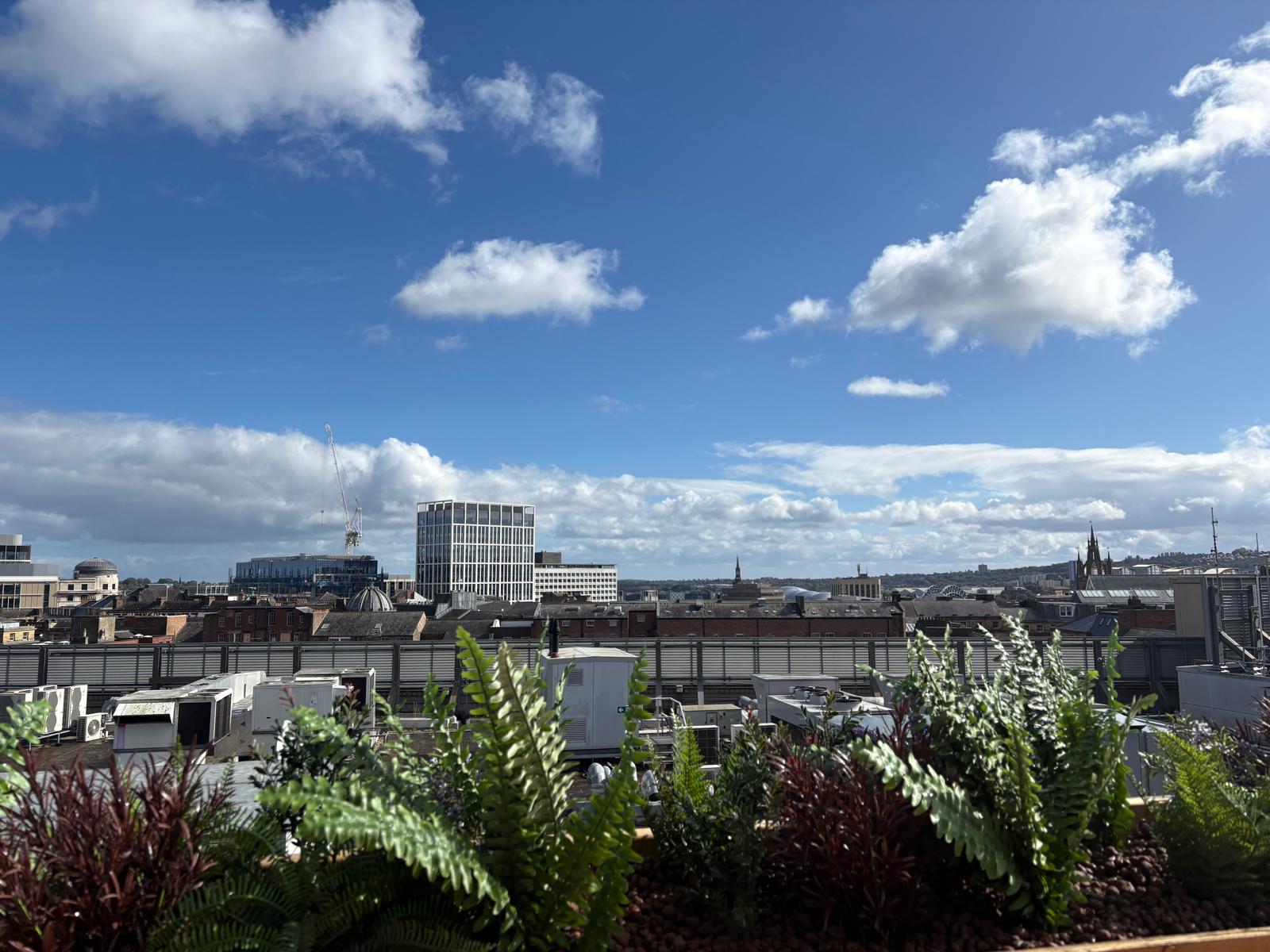
Walking the city centre with Tania brought the morning’s discussion to life. The destinations we visited showed how different places can create opportunities for people to engage, each building on its own character, offer and audience.
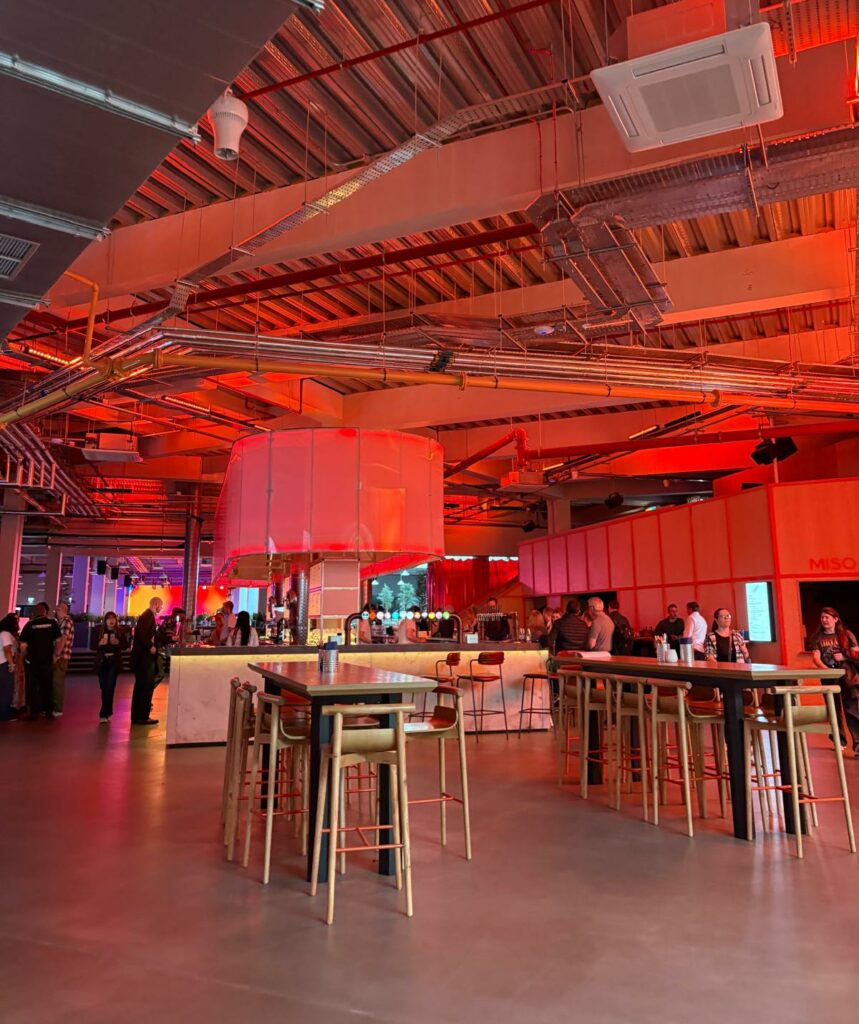
Freight Island has transformed the top floor and rooftop of the former Debenhams in Eldon Square into a 60,000 sq ft food, drink and entertainment destination, representing a £16 million investment. At its heart is The Plant Room, beneath a retractable roof, with twelve kitchens, four bars and a programme of DJs, live music, emerging local artists and live sport. What makes the offer interesting is its ability to bring people together throughout the day and into the evening. It’s not simply somewhere to eat or drink; it’s a destination designed around spending time and socialising.
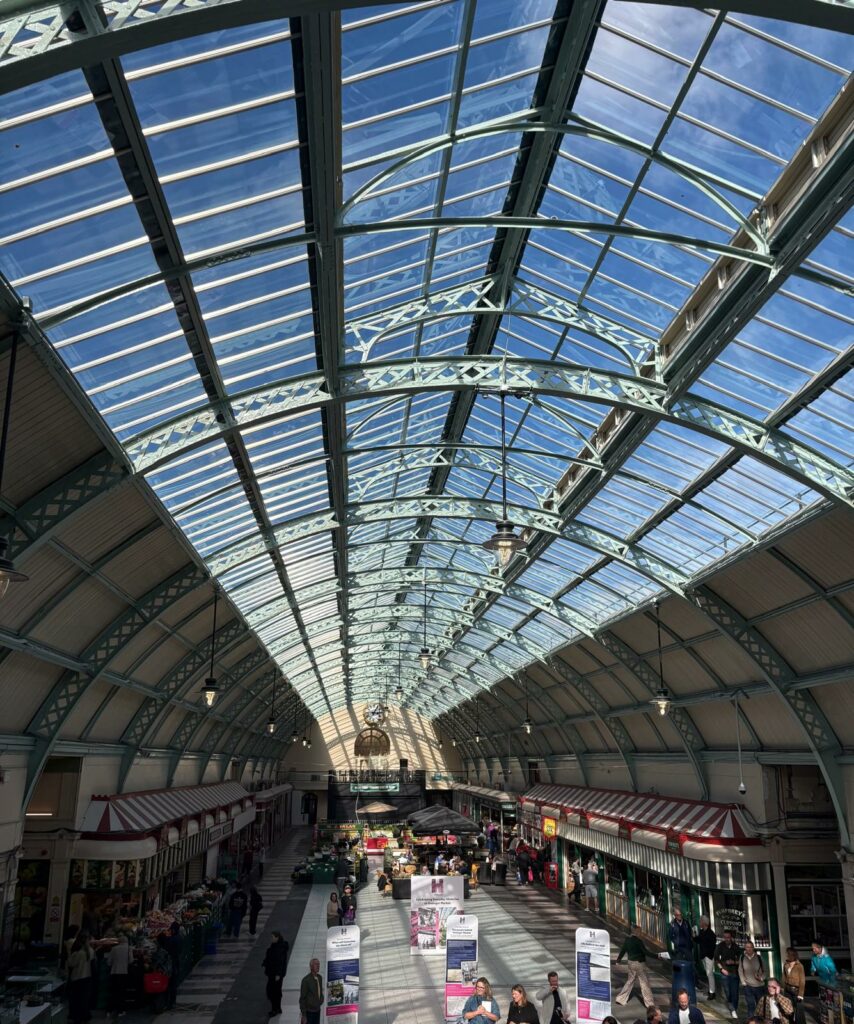
Grainger Market offered a different perspective: how to modernise a heritage asset without losing the character that makes it special. The Grade I listed market, nearly 200 years old, has recently completed a multi-million-pound transformation programme led by Newcastle City Council and FaulknerBrowns Architects, funded through the Government’s Levelling Up Fund. New pavilions, improved entrances and wayfinding, and more welcoming public spaces have helped broaden its appeal, creating opportunities for people to meet, eat and attend events as well as shop.
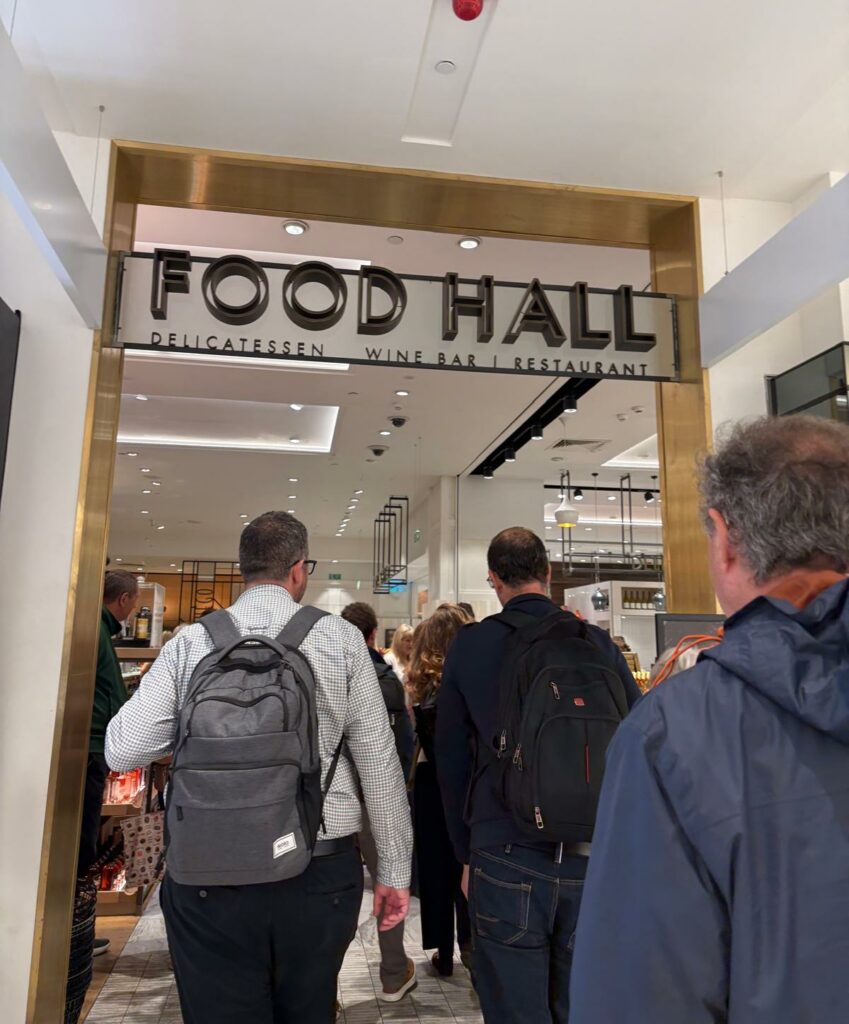
At Fenwick, the food hall demonstrated how an established retail offer can become a destination in its own right. Trading since 1882, it combines traditional food shopping with restaurants, specialist counters and independent suppliers, creating an experience that works for everyday visits as well as something more leisurely. From the deli and artisan bakery to Mason and Rye and Saltwater Fish Company, there’s a real sense of discovery alongside convenience. It’s an interesting example of how retail can extend beyond the transaction, offering customers more reasons to visit and more ways to engage with a familiar place.
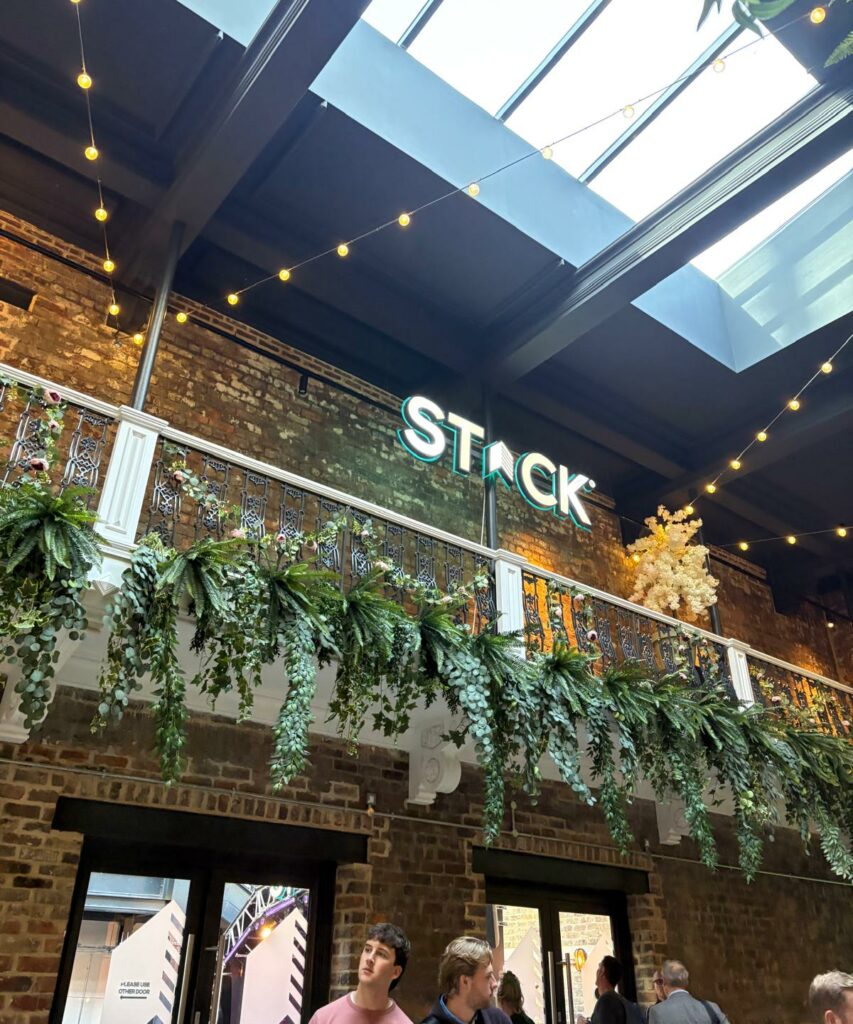
STACK, housed in the restored Grade II listed Worswick Chambers, showed how heritage, entertainment and hospitality can come together to create a more complete leisure experience. The Victorian building, which had stood behind scaffolding for more than 20 years, has been carefully restored and adapted into a venue featuring eight bars, eight independent street food traders, a coffee shop, rooftop terrace and central courtyard for live music, sport and events. The addition of Sideshow, with its interactive games and karaoke, gives visitors another reason to stay. What makes the scheme particularly interesting is the way entertainment is woven into the wider offer, rather than treated as an occasional extra. The building’s history gives it a distinctive identity, while its mix of activities makes it somewhere people can spend an entire evening.
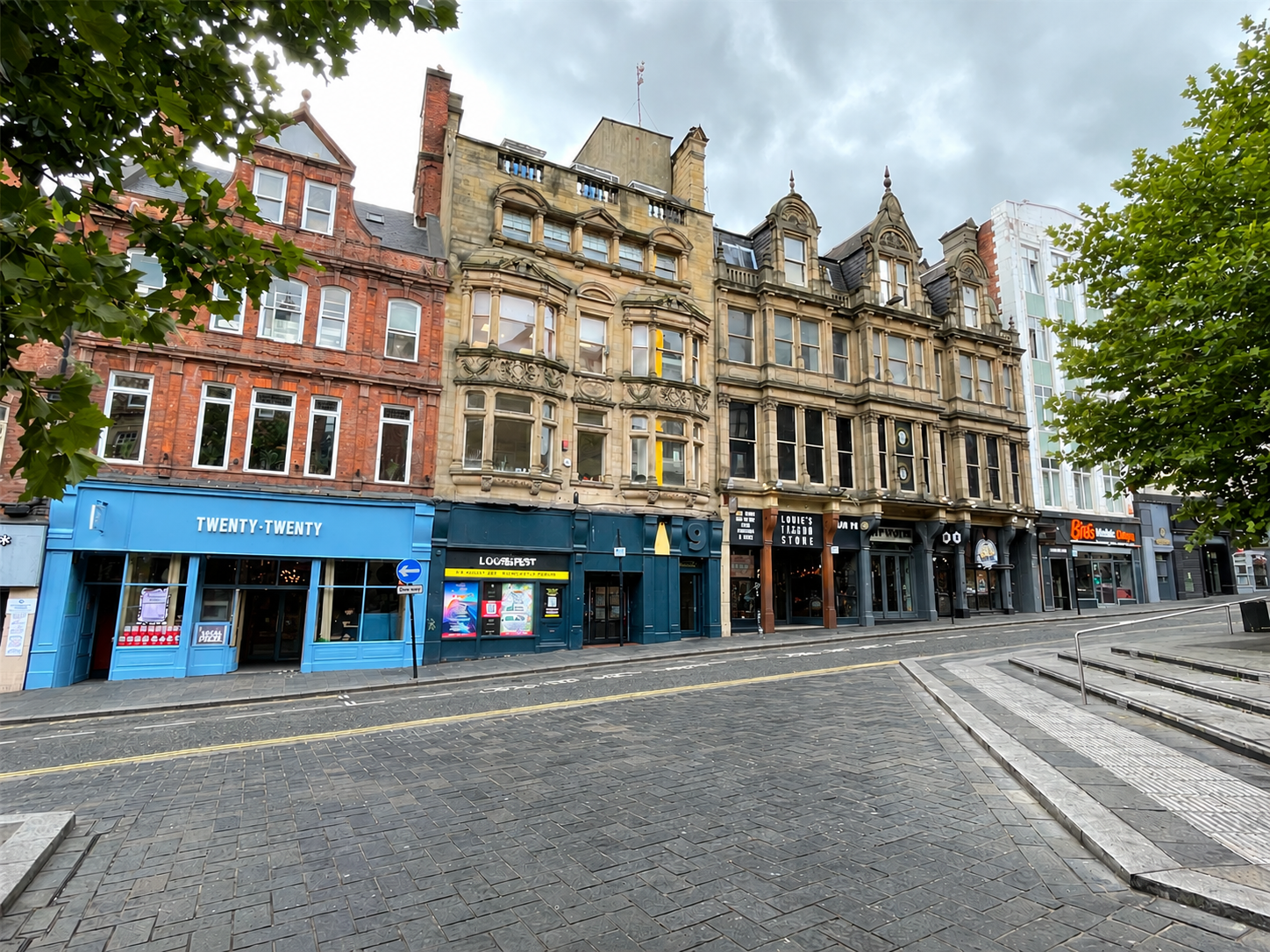
Our final stop, the Bigg Market, illustrated a different but equally important challenge: changing perceptions of a place. Historically associated with Newcastle’s nightlife, the area is now being repositioned as a broader destination, with its established bars sitting alongside an increasingly diverse food offer, creative businesses and new developments. The public realm regeneration project, alongside places such as White Hart Yard, points towards a more varied daytime and evening economy.
The lesson here is that regeneration isn’t only about physical investment. It’s also about how people perceive a place, what they expect to find there and whether they see it as somewhere worth visiting for different reasons.
What I found particularly interesting was the variety of approaches. There was no single blueprint for creating a successful destination, and that’s probably the most useful lesson for anyone working in this sector. The strongest examples weren’t simply introducing something new; they were building on what was already there, whether that was a historic building, an established retailer, a local food culture or an area’s existing identity. It reinforced my view that successful placemaking starts with understanding what makes a place distinctive, then finding ways to make that matter to more people.
Collaboration is doing a lot of the heavy lifting
One of the strongest messages from the day was that Newcastle’s transformation isn’t happening in isolation. It’s the result of collaboration between the council, the BID, landowners, operators, cultural organisations and independent businesses, all contributing to a shared vision for the city centre.
Newcastle NE1, the city’s Business Improvement District, has played an important role in bringing that vision together and helping turn it into action. The scale of its activity is significant, with £37 million secured for the City Centre Transformation Programme, £25 million instigated and secured for the redevelopment of Central Station, and £3.2 million invested in the regeneration of the Bigg Market. Its events now attract 345,000 visitors a year, while its social media following of more than 205,000 provides a substantial platform for promoting the city and shaping how people experience it.
What’s particularly interesting is the breadth of that contribution. Investment in the public realm and buildings is important, but so is the activity that brings those places to life. Events, marketing and partnerships help connect individual developments into a wider destination offer, giving visitors a reason to explore beyond a single venue or attraction.
The city’s cultural ambitions are another example of that joined-up approach. Newcastle’s ambition to be recognised as a Music City, supported by initiatives such as “This City Sings” and its hosting of the Mercury Prize for a second consecutive year, builds on an existing strength rather than trying to manufacture a new identity. Culture becomes part of the city’s proposition, creating opportunities for businesses, venues and the wider visitor economy to benefit from a shared sense of place.
For me, the biggest takeaway was that collaboration needs to be part of the strategy from the outset, rather than something that happens around individual projects. Newcastle’s examples showed how investment, programming, marketing and local identity can reinforce one another when people are working towards a shared ambition. For anyone involved in destination development, that raises an important question: how do we move beyond individual projects and create a more joined-up experience across an entire place?
What other destinations can learn
Newcastle’s experience raises some important questions for anyone responsible for shaping town and city centres. How do we create reasons for people to visit beyond the traditional offer? How do we protect what makes a place distinctive while allowing it to evolve? And how do we bring different organisations together to deliver a more joined-up experience?
For me, there are three practical considerations.
1. Start with what makes your place distinctive
Newcastle’s examples weren’t interchangeable. Freight Island brings a new leisure offer to the city, Grainger Market builds on its heritage and independent traders, and Fenwick draws on its longstanding place in the city’s retail identity. The lesson isn’t to replicate these schemes elsewhere, but to understand what people already value about a place and build on it. That should inform decisions about investment, occupiers, programming and the wider visitor experience.
2. Think about the whole visit, not just the individual venue
The examples show different ways of broadening what a visit can involve. For those responsible for destinations, it’s worth considering how retail, food and drink, entertainment, events and public spaces work together, and whether the offer gives people reasons to explore beyond a single attraction. The right mix will look different in every place, depending on its audience, character, existing businesses and ambitions.
3. Build partnerships around a shared ambition
Newcastle demonstrates the value of bringing public bodies, landowners, operators, businesses and cultural organisations together. For other destinations, that might mean identifying common priorities, agreeing who needs to be involved and finding ways to connect investment in the physical environment with events, marketing and the everyday activity that makes a place feel alive. The starting point is a shared understanding of what the destination wants to become and how different organisations can contribute.
Ultimately, the question isn’t simply how to attract people into a town or city centre, but what makes the place worth visiting, spending time in and returning to. Footfall, dwell time and spend remain important measures, but understanding how people engage with a destination can add another dimension to how we think about its success.
Newcastle gave us a valuable opportunity to see these ideas in action, and a reminder that the future of destinations will be shaped not by any one development, but by how successfully places bring their people, businesses, buildings and experiences together.
A huge thank you to everyone who made the day possible. It was an enjoyable and insightful opportunity to see how these ideas are being put into practice.